October 26, 2026

Posted on: 1/16/2026 | By Heather Sheffield
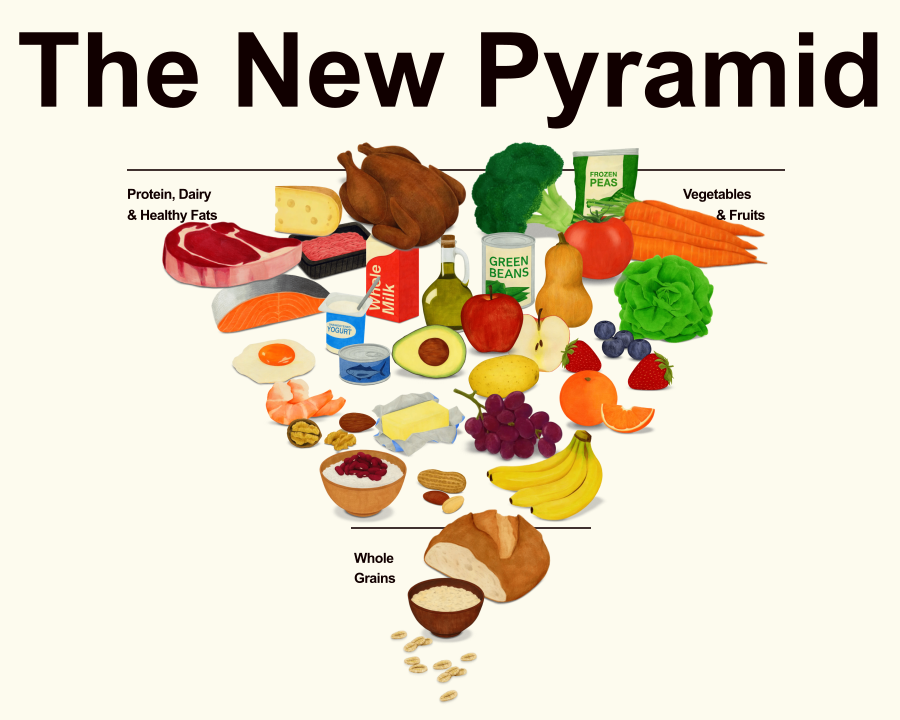
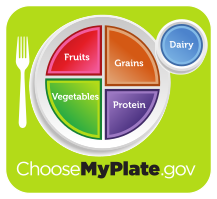
The Trump administration released its 2025–2030 Dietary Guidelines for Americans Jan. 7 to mixed reviews. While some medical professionals are praising language about reducing added sugars and limiting “ultra processed” foods, many of them are more circumspect about guidance they fear will increase the intake of unhealthy fats and excess sodium. Some also express concern that returning to a food pyramid, particularly as this one is constructed, makes it less clear to the end user how to translate guidelines to actual meal portions, a key feature of the MyPlate graphic the new pyramid replaces.
These guidelines directly intersect with public education in that they set the framework guiding federal nutrition requirements for school meals nationwide. Although an emphasis on reducing highly processed foods and added sugars and increasing access to nutrient-dense proteins and vegetables makes for a good talking point, the real test will be whether schools are given the funding and flexibility needed to actualize these goals. Labeling the guidelines a “flexible framework” does little to address the practical reality facing districts already stretched thin by rising food costs, staffing shortages, and outdated reimbursement rates. As always, increasing standards without providing the resources to implement them risks becoming yet another unfunded mandate for public schools.