

ATPE weighs in as Congress hashes out differences on tax bill

Retirement | TRS | Social Security Congress | Federal
Date Posted: 12/04/2017
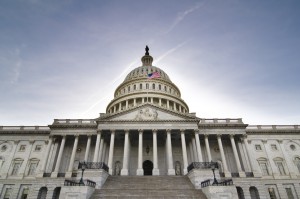 Over the weekend, the U.S. Senate passed a $1.5 trillion tax bill designed by the upper chamber’s Republican leaders. The measure passed largely on a party line vote, with just one Republican joining Democrats in opposition, and it comes after the U.S. House passed its own version of a bill to reform the tax code last month. Now, the Senate and House must reconcile their respective differences and develop a bill that can pass both chambers before it heads to President Trump for his signature.
ATPE Governmental Relations Director Jennifer Canaday wrote members of the Texas Congressional delegation to weigh in on two provisions in the House and Senate bills that affect educators and their classrooms. The first pertains to the educator expense deduction, which currently allows educators to deduct up to $250 dollars from their tax bills when personal money is spent on classroom supplies and materials. The bill passed by the House eliminates the deduction altogether, while the Senate’s bill increases the deduction to up to $500.
 ATPE Governmental Relations Director Jennifer Canaday
“While not the ideal approach to filling budget shortfalls or equalizing access to supplies and materials among students,” Canaday writes, “the deduction offers some form of reimbursement to educators who dip into their own pockets to purchase materials for students, classrooms, and schools that might otherwise go without.”
The second issue ATPE highlighted in its letter to Texas members of Congress involves the Teacher Retirement System of Texas (TRS). The House tax bill would apply a new tax, the Unrelated Business Income Tax (UBIT), to public pension investments, including the TRS trust fund.
“Weakening the financial soundness of the TRS trust fund by subjecting it to new additional tax liability on the front end, in addition to the taxes already paid by individual retirees, is a cost that neither the State of Texas nor the teachers who spent their working years serving our state can afford,” wrote Canaday.
In both instances, ATPE asks members of the Texas delegation to encourage House and Senate leaders and other members of Congress currently negotiating a final bill to retain the Senate approach: doubling the Educator Expense Deduction (or, at a minimum, maintaining the current $250 deduction) and forgoing the inclusion of language applying the UBIT to public pension investments.
Read the full letter here, and check back for more as the U.S. Congress continues its work to reform elements of current U.S. tax law.
CONVERSATION
RECOMMENDED FOR YOU

07/31/2026
Teach the Vote’s Week in Review: July 31, 2026
Members of the newly created Texas Classroom Commission announced, plus SBEC continues conversation on NBCT and TIA.
07/30/2026
Governor announces members of new Texas Classroom Commission
ATPE members are among the 22 educators appointed to the commission to make legislative and policy recommendations on teaching, school climate, and student achievement.

07/28/2026
Conversation continues of future of National Board Certification within Teacher Incentive Allotment
SBEC voted at its July 23-24 meeting to require content changes in National Board materials by Nov. 2 to align with Texas law. A final vote on continued inclusion of the program in TIA is expected in December.