Joe Herrera
Branch: Texas Senate District: 24
Additional Information from ATPE
Ran unopposed in the 2026 Democratic primary for Texas Senate District 24 and will be on the November 2026 general election ballot.
Ran unsuccessfully for House District 53 in 2024.
Voting records currently not available. Please check back later.
Survey Responses
RESPONSES TO THE 2026 ATPE CANDIDATE SURVEY:
1. If elected, what are your top priorities for Texas public education?
Please describe any specific goals or legislative initiatives you would pursue to strengthen the state’s public education system.
If elected, my top priority will be ensuring that every Texas child has access to a strong public school, regardless of their ZIP code.
I will work to increase sustainable funding for public schools, raise teacher pay and improve retention, strengthen special education and school safety resources, and oppose efforts that divert taxpayer dollars away from our neighborhood schools.
I also want to expand career and technical education, workforce partnerships, and dual-credit opportunities so students have multiple pathways to success, whether that means college, a skilled trade, military service, or entering the workforce.
Finally, I will fight for greater local control and less reliance on unfunded state mandates. Our teachers, parents, and locally elected school boards understand the needs of their communities, and the state should be a partner in their success.
2. Public Education Funding:
The 89th Legislature passed an $8 billion school funding bill, HB 2. However, despite years of unanswered “inflationary challenges, a large majority of that funding was earmarked to specific programs and did not supply districts with significant flexible funding, leaving the majority of Texas students in districts with deficit budgets and other significant funding challenges. Do you believe Texas public schools should receive additional funding? If so, how should the state pay for it, and should that funding be earmarked at the state level or provide districts with flexible dollars?
Yes. HB 2 was an important investment, but Texas must ensure that public schools have the resources necessary to keep up with rising operating costs, retain quality teachers, and serve a growing and diverse student population.
I support increasing the basic allotment and providing districts with more flexible funding rather than directing most new dollars toward state mandated programs. Local school boards and administrators are better positioned to determine whether their greatest need is teacher compensation, transportation, classroom resources, special education, school safety, or other priorities.
Texas should prioritize public education within the existing state budget and use sustainable state revenues rather than placing additional burdens on local property taxpayers. Any additional funding should also come with transparency and accountability to ensure taxpayer dollars are reaching classrooms and improving opportunities for students.
3. ESA Vouchers:
Education savings accounts (ESAs) redirect public funds to private or home schools. How do you believe Texas should fund public schools, traditional and charter, alongside ESA vouchers? How should ESA spending be held accountable to taxpayers?
My priority is to ensure that Texas fully funds its public schools, both traditional public schools and public charter schools before committing additional taxpayer dollars to private education. Public schools serve every child who walks through their doors and must have the resources to provide a quality education regardless of a student’s ZIP code, income, or individual needs.
While ESAs are now part of Texas law, they should not come at the expense of public-school funding. Any taxpayer dollars spent through the ESA program should also be subject to strong financial oversight, regular audits, transparent reporting, and safeguards against fraud and misuse.
If public dollars are being spent, taxpayers deserve to know where that money is going and that it is being used for legitimate educational purposes.
4. Teacher Recruitment and Retention:
Under HB 2, passed in 2025, all educators in core content courses (math, English, science, and social studies) must be certified by 2030. While this is a good start, more can and should be done to ensure high-quality teachers continue to enter the classroom. What are your suggestions to improve the quality of the new teacher pipeline?
Improving the teacher pipeline starts with making teaching a profession talented people can afford to enter and remain in. Texas should strengthen partnerships between school districts, universities, and community colleges to expand high-quality teacher preparation, paid residencies, and mentorship programs for new educators.
We should also reduce financial barriers to certification, particularly for candidates willing to teach in rural communities or high-need subjects such as math, science, and special education.
Finally, recruitment must be paired with retention. Competitive salaries, strong mentoring, manageable workloads, and greater respect for teachers' professional judgment will help Texas attract qualified educators and keep experienced teachers in our classrooms.
5. Educator Pay and Benefits:
The 89th Legislature passed legislation creating a new mechanism to provide only classroom teachers with tiered raises based on early years of service and their district’s student enrollment. While the raises were significant, they did not apply to all campus educators, and the program created a significant negative funding stream at the district level due to unfunded increased costs for non-salary compensation tied to payroll, such as TRS retirement contributions. Do you support a state-funded across-the-board pay raise for all Texas educators? How would you ensure that compensation keeps pace with inflation and remains competitive with other professions?
Yes. I support a state-funded pay increase that reaches all public-school educators, not just certain classroom teachers. Teachers, counselors, librarians, nurses, instructional aides, and other campus professionals all contribute to student success and should be part of the conversation about competitive compensation.
The state should also fund the full cost of any mandated raise, including associated TRS and payroll expenses, so districts are not forced to cut programs or use local dollars to cover an unfunded mandate.
Going forward, I would support regularly reviewing educator compensation against inflation and comparable professions and adjusting state funding accordingly. Texas will not solve its teacher shortage unless education is a financially sustainable career and experienced educators have a reason to remain in our schools.
6. Educator Health Care:
The high cost of health insurance for active and retired educators continues to reduce take-home pay, with educators shouldering the vast majority of their ever-increasing heath care costs. How would you address the affordability and sustainability of educator health care, particularly the TRS-ActiveCare and TRS-Care programs?
Texas must do more to address the rising cost of health care for both active and retired educators. A pay raise means less when increasing premiums, deductibles, and out-of-pocket costs consume much of that increase.
I support increasing the state’s contribution to TRS-ActiveCare and TRS-Care and regularly review that contribution to ensure it keeps pace with rising health care costs. We should also explore ways to use the purchasing power of these programs to negotiate better rates and control prescription drug costs.
For retirees living on fixed incomes, maintaining affordable and sustainable TRS-Care coverage is especially important. Texas made a commitment to the educators who dedicated their careers to our children, and we should honor that commitment while ensuring these programs remain financially sustainable for future generations.
7. Retirement Security:
Do you believe the Teacher Retirement System of Texas (TRS) should remain a defined-benefit pension plan for all current and future members? If not, what is your plan to provide a secure retirement for Texas educators, particularly considering that state law has been set up such that most districts do not participate in Social Security?
Yes. I support maintaining TRS as a defined-benefit pension plan for both current and future Texas educators. For many school employees, particularly those in districts that do not participate in Social Security, TRS is the foundation of their retirement security.
Texas should protect the long-term financial health of TRS and ensure the state meets its obligations to the educators who have paid into the system throughout their careers. We should also continue providing meaningful cost-of-living relief for retirees when financially sustainable, so their purchasing power is not steadily eroded by inflation.
A secure retirement is also an important tool for recruiting and retaining quality educators. Teachers should be able to dedicate a career to Texas public schools with confidence that the retirement benefits they earned will be there when they need them.
8. Accountability and Assessment Reform:
The Legislature has passed a new “through-year” multi-test model under HB 8. What role should standardized testing play in evaluating students, teachers, and schools? Should test results continue to determine A–F accountability ratings or teacher pay?
Standardized testing can play a key role in measuring student progress and identifying where additional resources or academic support may be needed. However, no single test can fully measure the quality of a student, teacher, or school.
I support an accountability system that considers multiple measures, including student academic growth, graduation rates, college and career readiness, and other indicators of student success. Test results can be part of that evaluation, but they should not be the sole or overriding factor in determining A–F ratings.
I also do not believe teacher compensation should be connected to standardized test scores. Teachers should be evaluated fairly and comprehensively, recognizing student growth, classroom performance, professional development, and the unique challenges of the students and communities they serve.
Our accountability system should help schools improve, not simply label or punish them.
9. Parental Rights and Community Voice:
Recent legislative debates have focused on “parental rights” in education. In your view, what is the appropriate balance between accommodating the often conflicting wishes of individual parents while maintaining policies that reflect the broader community’s educational priorities and still providing consistency and an appropriate level of professional deference to educators?
Parents should have a meaningful voice in their child’s education, including transparency about curriculum, access to instructional materials, and opportunities to communicate concerns. At the same time, public schools serve entire communities, and the views of one parent should not determine the educational opportunities available to every family.
In my opinion, the best approach is partnership among parents, educators, and locally elected school boards. State government should establish appropriate academic standards while allowing communities reasonable flexibility in how they meet them.
We must also respect the training and professional judgment of our teachers. Parents deserve to be heard, but educators need the ability to teach effectively without excessive political interference or constantly changing mandates. The goal should always be to provide every student with a safe, rigorous, and high-quality education.
10. School Safety:
HB 3 (2023) imposed new school safety requirements but did not fully fund them. Although the 89th Legislature increased the School Safety Allotment, many districts continue to face substantial unfunded staffing and facility costs associated with school safety laws. How would you make schools safer and ensure the state provides adequate funding to meet safety mandates?
Every student and educator deserves to feel safe at school. I support strong school safety standards, but when the state mandates additional security personnel, infrastructure, or technology, it should provide districts with the funding necessary to meet those requirements rather than shifting the cost to local taxpayers or forcing schools to cut classroom resources.
I would support increasing and regularly reviewing the School Safety Allotment, so funding reflects the actual cost of state mandates, while recognizing that needs vary between large urban districts and smaller rural schools.
School safety must also include prevention. We should strengthen access to school counselors and mental health resources, improve threat assessment and emergency preparedness, and support effective communication between schools and local law enforcement.
We can make our schools safer without forcing districts to choose between protecting students and funding their classrooms.
11. Curriculum and Local Control:
What do you believe is the proper role of the State Board of Education, the Texas Education Agency, and local school districts in setting curriculum standards and selecting instructional materials?
I believe each level of our education system has an important but distinct role. The State Board of Education should establish clear, rigorous statewide academic standards so Texas students receive a strong education regardless of where they live. The Texas Education Agency should provide guidance, resources, and oversight while avoiding unnecessary mandates that limit local decision-making.
Local school districts, working with educators and parents, should have primary responsibility for selecting instructional materials that meet state standards and reflect the needs of their students and communities.
Teachers should also be trusted to use their professional training and judgment in the classroom. The state should establish high expectations and ensure accountability, but it should not attempt to micromanage every lesson or instructional decision from Austin.
12. Educator Rights and Professional Associations:
State law allows educators and other public employees to voluntarily join professional associations such as ATPE and have membership dues deducted from their paychecks at no cost to taxpayers. Do you support or oppose allowing public employees to continue exercising this right? Why or why not?
I support allowing educators and other public employees to voluntarily join professional associations and have their membership dues deducted from their paychecks, provided there is no additional cost to taxpayers.
Public employees should have the freedom to decide for themselves whether membership in a professional organization provides value to them. If participation is voluntary and employees can start or stop deductions as they choose, I see no reason for the state to interfere with that decision.
This is about individual choice. We should respect the rights of educators and other public employees to determine how they use their own earned income.
DID NOT RESPOND TO THE 2024 CANDIDATE SURVEY.
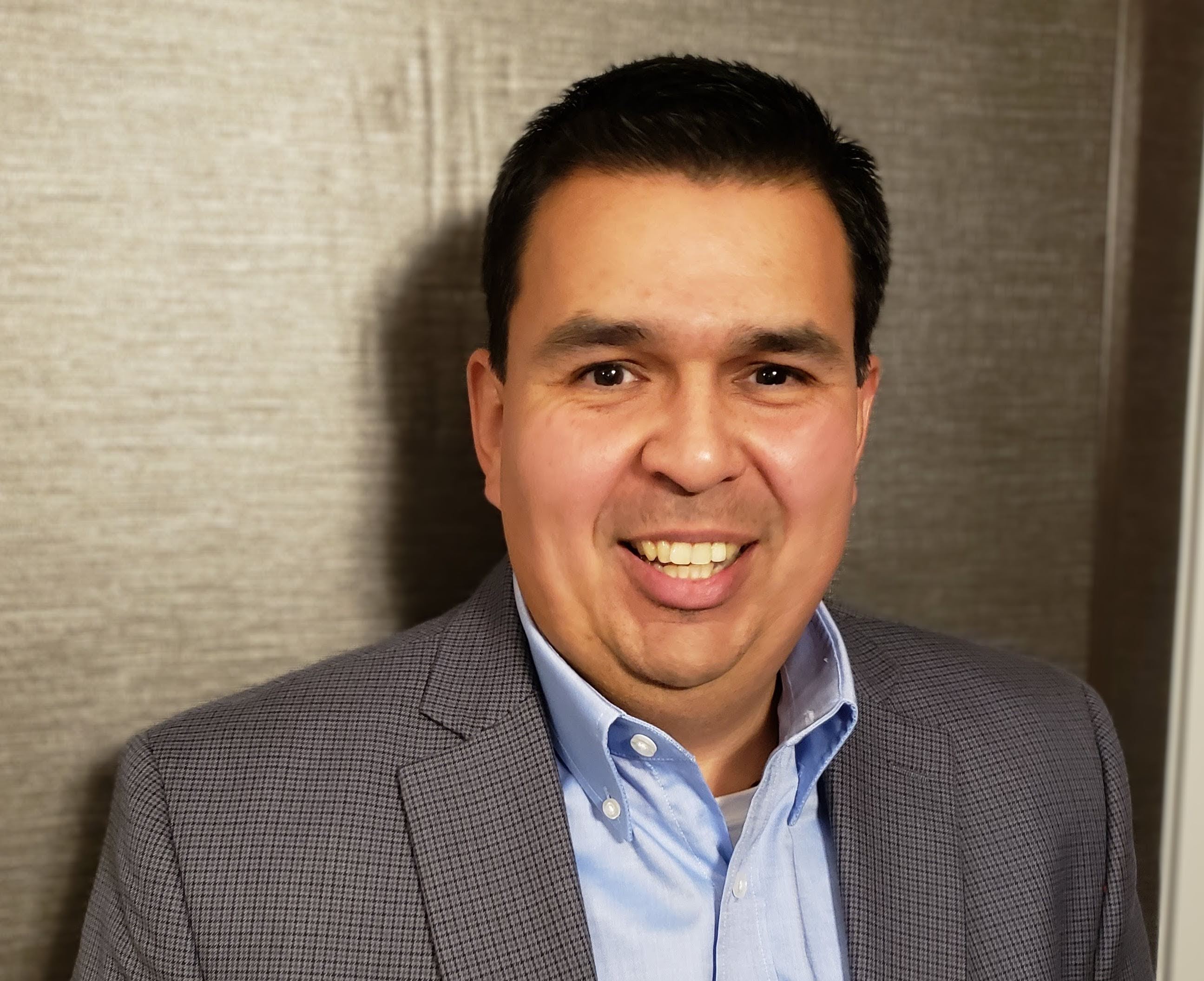
Joe Herrera
-
Party:
Democrat
-
Branch:
Texas Senate
-
District:
24
-
City:
NATALIA
State:TX
- Website:
- Social:
- Email: